People in the News
New Artist of the Month: Tenor Ryan Capozzo
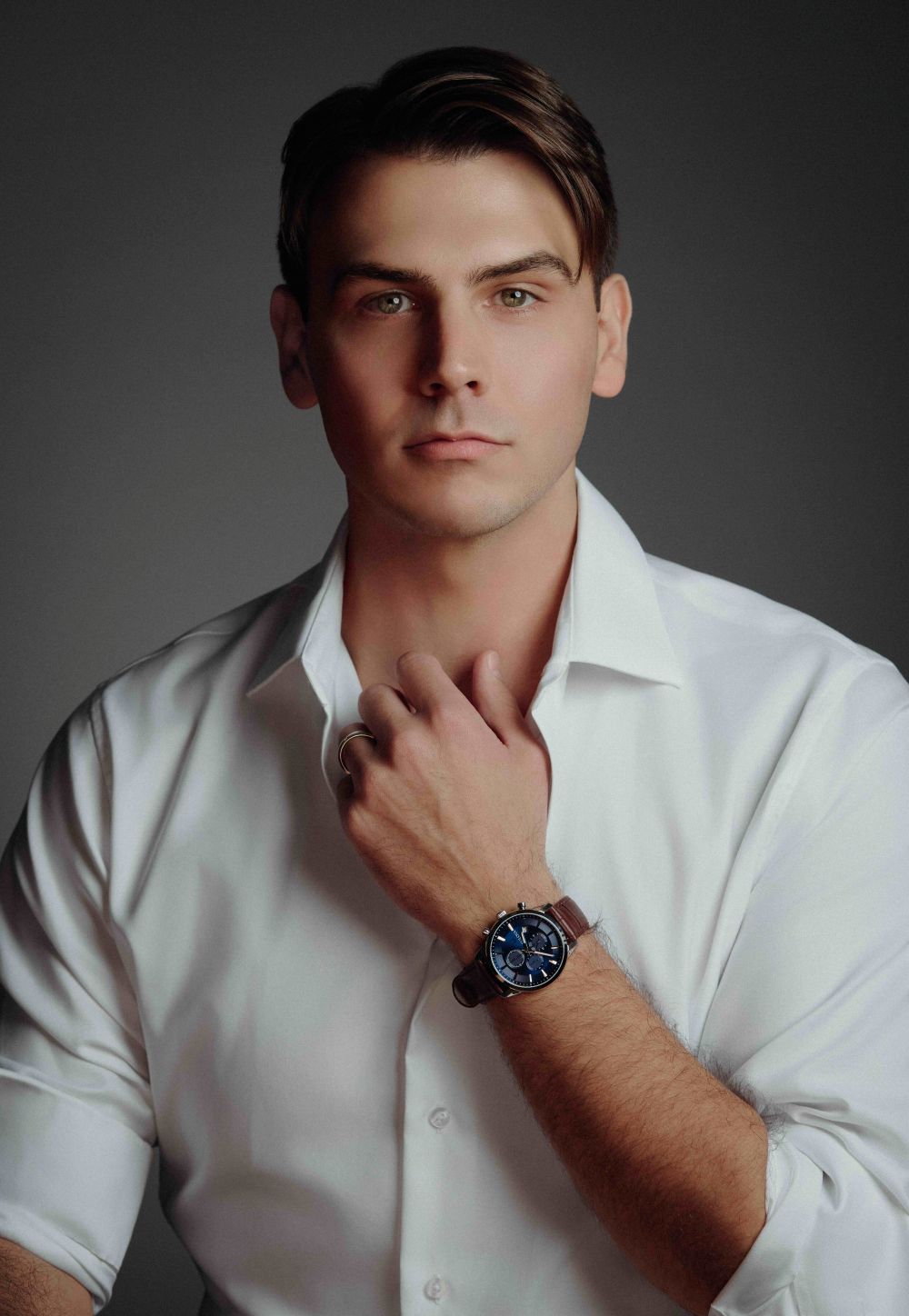 SEATTLE—When I heard Ryan Capozzo sing Don José in Seattle Opera’s Carmen last spring, I was struck by the young tenor’s vivid dramatic presence and alertness onstage. Opposite J’Nai Bridges, he also generated the kind of real chemistry that made their scenes together especially compelling. The performance suggested an artist for whom acting is integral to the experience of singing.
This month, he makes his role debut as Števa, the father of Jenufa’s child, in the Metropolitan Opera’s new Claus Guth production of Janácek’s Jenufa (opening November 16), part of an increasingly varied repertoire that stretches from Bizet and Janácek to Strauss and Britten.
For Capozzo, the Seattle Carmen offered a particularly valuable lesson. Don José, he says, is “a beast of a character,” and working opposite an experienced Carmen like J’Nai Bridges encouraged him to react to his partner “in live time.” After an opening night that felt ideally realized, he caught himself at the next performance trying to recreate that success; the result, he says, was less satisfying. He contacted his former teacher Jacque Trussel, himself an experienced Don José, for advice.
The answer was deceptively simple: “You have to make it new every single time,” Trussel told him. “You can’t be beholden to the decisions that you want to make [ahead of time],” Capozzo recalls. “You have to react live on stage.” The advice marked a significant shift in his approach to acting.
Growing up on Long Island in a family with little musical background, Capozzo played violin and participated in musical theater in high school. Seeking better roles, he sought private voice lessons from former opera singer Martha Tibbets, who was recommended by his choir director, Judy Leopold.
Capozzo originally hoped to become a choir director before pursuing opera at SUNY Purchase. His first encounter with the artform came while watching a video in his dorm of La traviata starring Anna Netrebko and Rolando Villazón—a discovery he calls “paradigm shifting,” partly because he could respond so freely in the privacy of his room. He recalls that his first live opera was Rigoletto at the Met, with Nadine Sierra as Gilda; from then on, singing on the Met stage became an ambition.
At Purchase, Capozzo was cast as Lysander in Britten’s A Midsummer Night’s Dream while still a sophomore. The experience helped establish a lasting affinity for English-language repertoire and challenging dramatic material. Further study at Yale brought him into contact with teachers including Doris Yarick-Cross, Richard Cross, and Gerald Martin Moore, before he joined Lyric Opera of Chicago’s Ryan Opera Center.
The program sharpened both his craft and his self-discipline. “It definitely raised my expectations of myself,” he recalls. He also learned that professionalism involves more than practice and technique: “Every time you show up, it’s important—even every time you say hi to someone.”
Capozzo’s engagements since then have included the Prince in Rusalka at Barcelona’s Gran Teatre del Liceu and with Irish National Opera, Narraboth in Salome in Chicago, and the Seattle Don José, which was his first complete Don José with a full opera orchestra. Before then, he had explored the character in an experimental adaptation of Carmen directed by Wu Tsang at Zurich’s Schauspielhaus. There, only Carmen and Don José were sung; the other characters were portrayed by actors. The actors’ feedback made him more conscious of refining gestures and finding greater nuance.
Ingesting a role
Translating the text is how Capozzo begins learning a role, sometimes singing the translation to the music so that he knows exactly what he is saying at every point. He also immerses himself in the character’s historical and dramatic circumstances. While covering Bothwell in Thea Musgrave’s Mary, Queen of Scots at San Francisco Opera this fall, for example, he did a deep dive into Tudor history. Once onstage, however, he strives to have absorbed that research so thoroughly that he can forget about it and react freely to his colleagues.
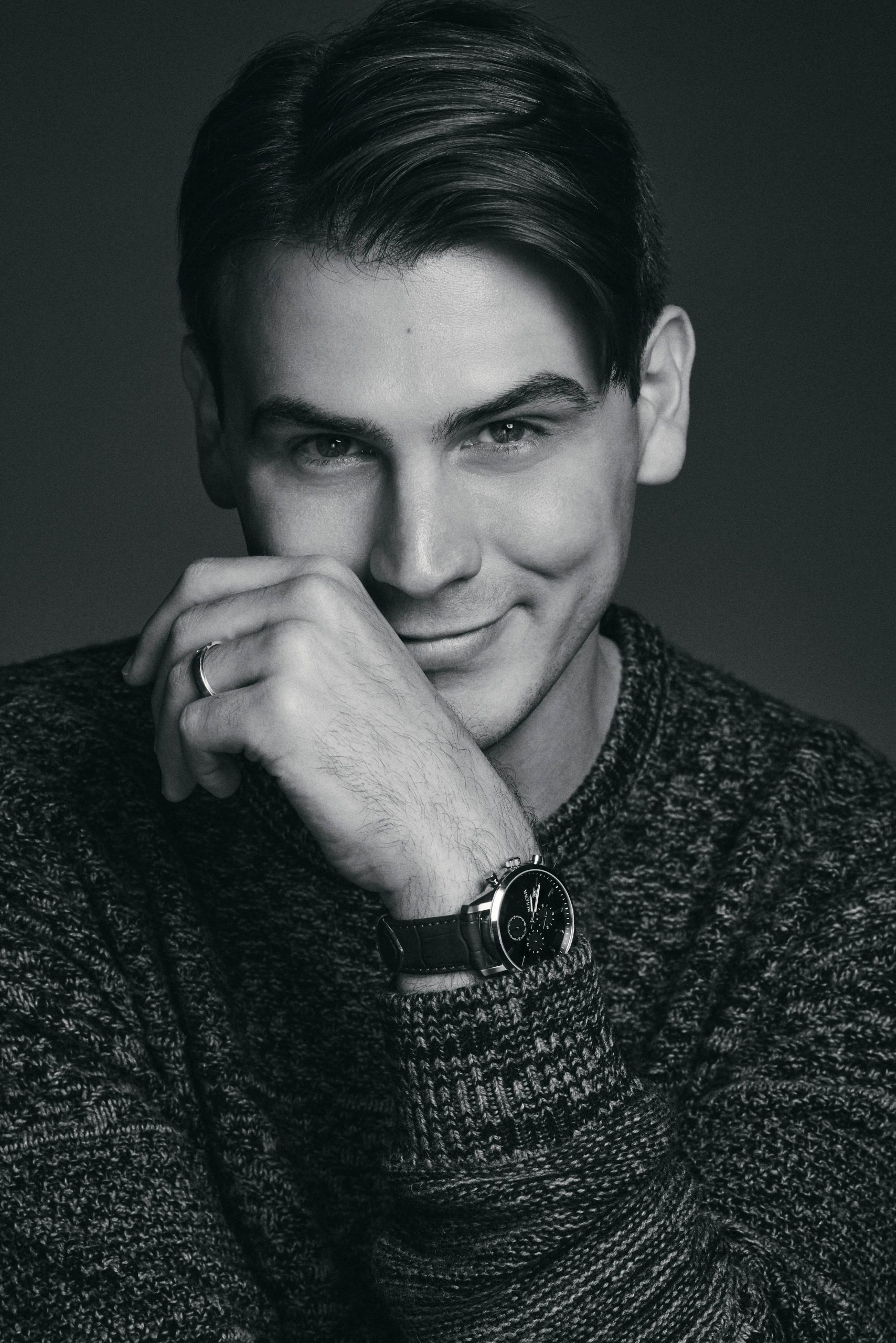 Capozzo is equally thoughtful about the long-term development of his voice. Much of the repertoire coming his way has been German and Czech, often within heavier operas, though he is glad that his own assignments have so far remained comparatively measured. “I’m trying to have a longer career,” he says. He still consults Gerald Martin Moore and his manager before accepting engagements.
Narraboth remains a favorite role—he returns to it with Dutch National Opera in early 2027—while Britten’s Peter Grimes represents a longer-term aspiration. His Metropolitan Opera debut came in 2024–25 as the Voice of a Young Man in Strauss’s Die Frau ohne Schatten. He is equally open to contemporary opera and mentions Jake Heggie among the composers whose works interest him. Nonstandard repertoire offers a certain freedom, he suggests, without the burden of comparisons with predecessors such as Pavarotti and Corelli.
The greatest challenge of his increasingly international career has been time away from home. Based in Westchester County, Capozzo misses family occasions during lengthy engagements, although his husband can often visit him on the road. One unexpected reward, however, has been finding friends in so many places and encountering them again in new productions and auditions. “A human connection—you can’t beat it.”
Outside opera, he knits, crochets, bakes, and has recently taken on the challenge of training a new dog. For Capozzo, living an ordinary life gives him experiences he can bring to characters. Yet the stage itself remains the strongest draw. “There’s nothing like the adrenaline that I get actually performing."
Looking ahead, he wants to keep challenging himself artistically while becoming more confident about setting boundaries and protecting time at home. Above all, he says, “I want to be just a kind person and feel like a good colleague, always.”
Photos by Corey Rives

 FEATURED JOBS


 RENT A PHOTO